


Eight books in September and nine separate times I stopped reading to go look something up. Most of them came from one novel set in 1955, which is how I found out a little pill called Miltown went on sale that year and Americans filled more than 36 million prescriptions for it within two years. The rest are a strange spread: a curse word and an animal I had to check weren’t real, a word for a group of families the law had no box for, and a war over coal I was never taught in school. The Mad Wife section includes a spoiler, and it’s clearly marked, so you can skip past it if that book is on your list.
The Will of the Many by James Islington
It was everywhere, so I finally borrowed it: ancient Rome turned into a power system, with a whole vocabulary the book never stops to explain. Two of those made up words sent me to Google.
I reviewed The Will of the Many and its sequel, The Strength of the Few, in my September reading recap, along with everything else I read this month.
Format: eBook
Source: Library
Rating: 5 stars
Is “vek” a real curse word?
Vek gets thrown around as a curse all through the book, so I went looking for whether Islington borrowed it from a real language. As far as I can tell, he didn’t. I couldn’t find it anywhere outside the book.
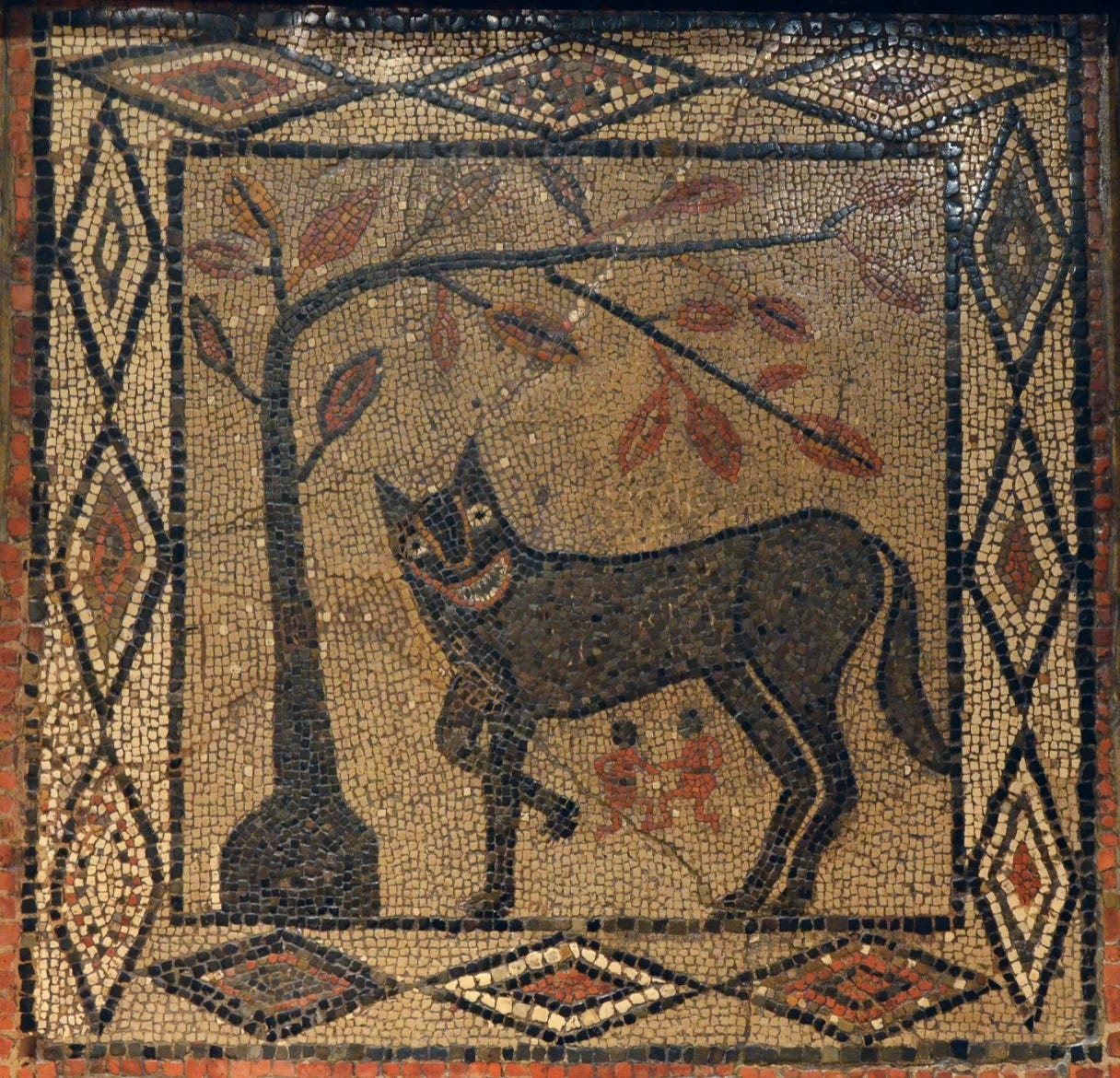
Are alupi real animals?
Alupi show up in the book as animals, and I wanted to know whether they came from some real legend. They don’t. Islington made them up, and I couldn’t find a real animal or folklore creature by that name anywhere. Hold onto that one, though, because it comes back later in this post.
Grab a copy of The Will of the Many
Library first. But if you’re buying, this link supports indie bookstores and me.
The Mad Wife by Meagan Church
It’s 1955, Lulu Mayfield has the perfect house in a perfect suburb and a brand new baby, and something is slipping. If that sounds familiar, it’s because I keep reading this story: here’s what Mad Honey sent me googling and the essay where The Yellow Wallpaper came in.
Format: Audiobook (narrated by Susan Bennett)
Source: Library
Rating: 4 stars
Want the spoiler free version? My full review of The Mad Wife is in my September reading recap, along with the other seven books I read this month.
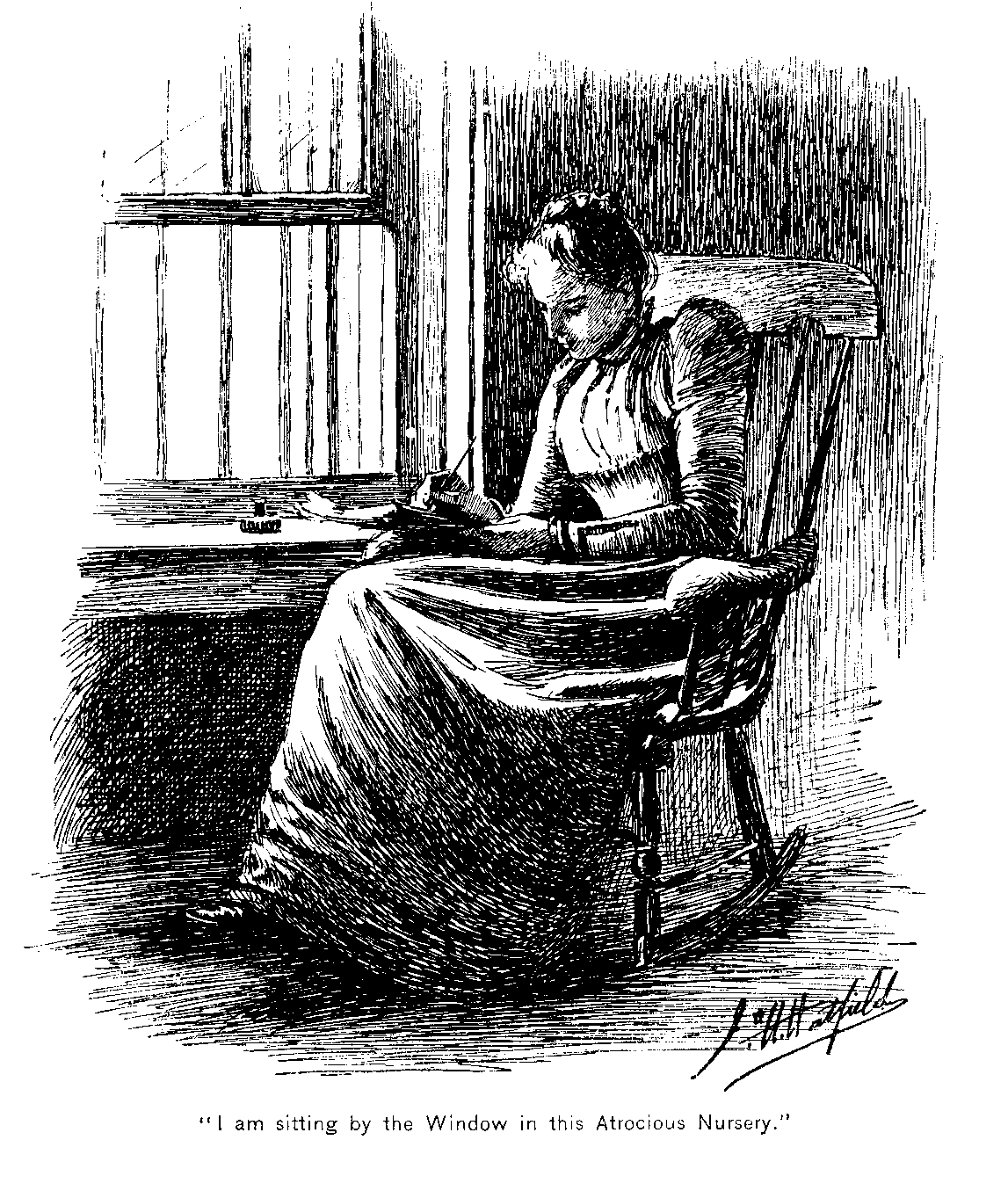
“Housewife syndrome” was a real diagnosis
From roughly the 1940s into the 1970s, American doctors had a catchall label for women at home who were anxious, exhausted, sleepless or just unhappy. They called it housewife syndrome, or housewife’s nerves, or the trapped housewife. It took over from hysteria as the go-to diagnosis for women, and the suggested fixes included having another baby or moving to the suburbs.
Moving to the suburbs was the prescription. Lulu already lives there.
When a baby or a new zip code didn’t fix her, the options got a lot darker, and The Mad Wife puts all of them on the table. Electroshock therapy came to the US around 1940 and was used on women diagnosed with depression and nerves. Then there was the lobotomy. Walter Freeman did his first transorbital lobotomy, the version done through the eye socket, in 1946, and a 1951 study found that nearly 60 percent of American lobotomy patients were women. Around 40,000 people in this country were lobotomized in all. And a woman could be sent away to an institution on her husband’s say so and a doctor’s signature.
Miltown, the “emotional aspirin”
The drug is spelled Miltown, with one L, named after Milltown, New Jersey, which has two. Wallace Laboratories launched it in 1955, the same year the book is set, and it became the first blockbuster psychiatric drug in the country. By 1957, Americans had filled more than 36 million prescriptions for it.
Cosmopolitan called the pills “emotional aspirins” in 1956, and by 1960 women were about twice as likely as men to be taking tranquilizers like it. The ads sold it as relief for women overwhelmed by housework and children.
Can you smell colors?
The book made me wonder, so I looked it up. What I found is called synesthesia, where one sense sets off another, like seeing colors when you hear music or tasting words. Somewhere around 3 to 5 percent of people have some form of it, and it is not a mental illness.
⚠️ SPOILER ALERT FOR THE MAD WIFE
Stop here if this book is on your list. Everything below this line until the Demon Copperhead section is tied to the ending. Scroll down to Demon Copperhead to keep going spoiler free.
Lupus can look like madness
Lupus is an autoimmune disease, and it can attack the brain. When it does, psychosis, hallucinations and confusion are all documented symptoms. A 2025 study of 566 lupus patients found about one in five had experienced hallucinations, and 11 percent had hallucinated smells.
Many of them never told a doctor. One patient in that study said, “I’ve never told a medical doctor because they love to tell me I am crazy.”
So Lulu, a woman in 1955 with a real disease, gets treated as a mad wife. It’s the same story The Yellow Wallpaper and Mad Honey told, one more time.
Lupus means “wolf”
Lupus is Latin for wolf. A 13th century physician named Rogerius used the word for facial lesions that looked like a wolf’s bite. Last month I figured out I google words more than I google history, and this one went straight onto that list.
And remember the alupi from The Will of the Many? Alupi sounds an awful lot like lupus. I couldn’t find anything saying Islington meant that, so I’m just going to enjoy that two of my September books accidentally met in the middle.
How I think about buying books: the library is always the right answer if it’s an option for you. But some books you just want to keep. If this is one of those, my Bookshop.org link supports independent bookstores and tosses a few cents to me.
Demon Copperhead by Barbara Kingsolver
Twenty-one hours with Damon Fields, a kid born in a trailer in Lee County, Virginia, talking straight into my ears through foster care, football and the arrival of OxyContin. The book tosses out a word and a war like everybody already knows about them, and I didn’t know either one.
My full review of Demon Copperhead, along with every other book I finished in September, is in my September reading recap.
Format: Audiobook (narrated by Charlie Thurston)
Source: Library
Rating: 5 stars
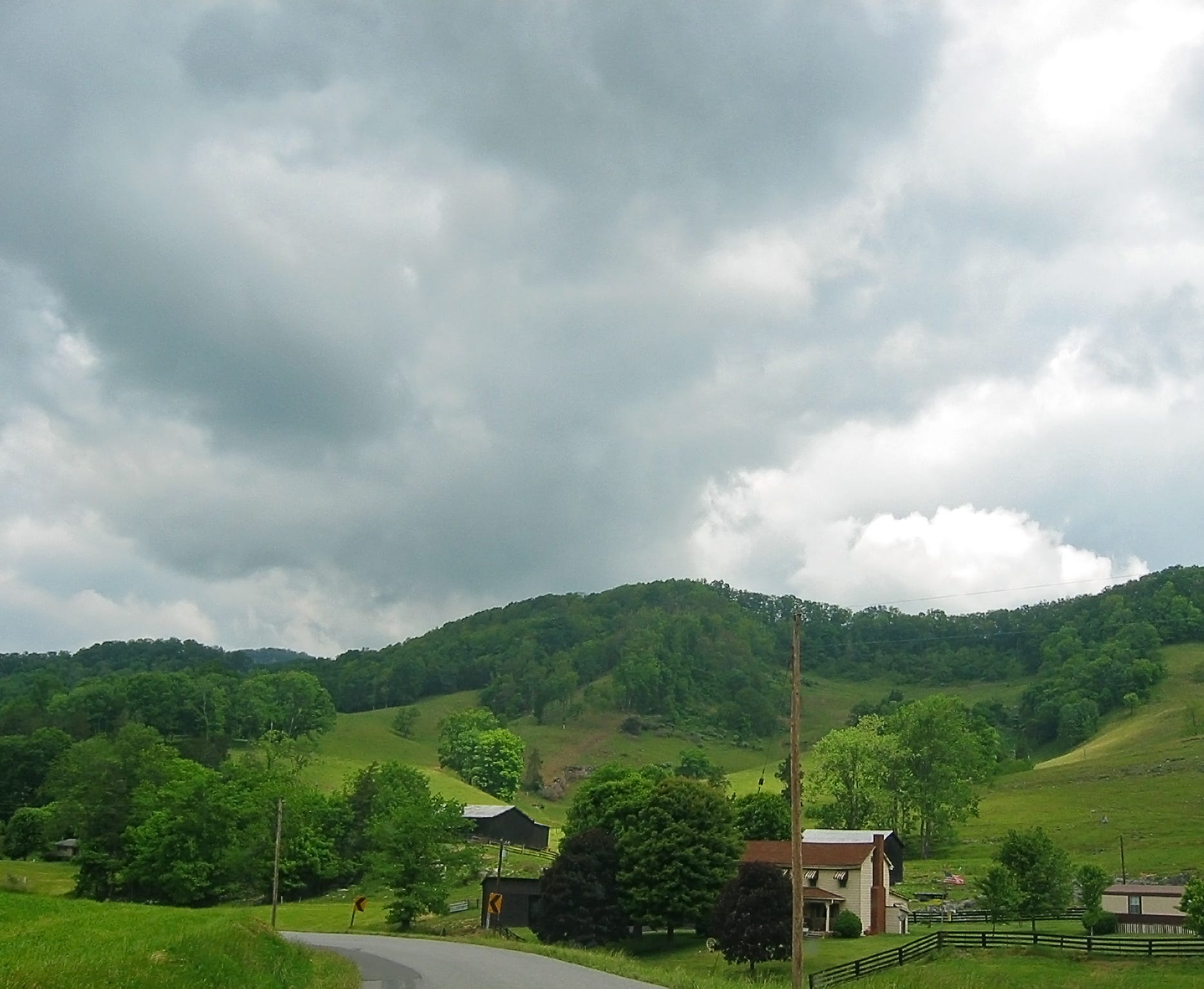
Melungeon
The book uses this word for Damon and his father like everyone already knows what it means. I didn’t. Melungeon is the name for about 40 families of mixed ancestry who lived along the Tennessee and Virginia border, mostly in Hancock and Hawkins counties. It started out as a slur in the early 1800s, and for generations the people it was aimed at didn’t fit any box the law had room for.
So they built a story that protected them. A lot of Melungeon families said they were Portuguese, because in courts that punished any trace of African ancestry, being dark and Portuguese was safer. In 1874 a lawyer named Lewis Shepherd won a Melungeon woman named Martha Simmerman her inheritance by arguing that her family descended from ancient Phoenicians who reached America by way of Portugal.
The real answer took until 2012. A DNA study led by genealogist Roberta Estes and published in the Journal of Genetic Genealogy traced the core families back to relationships between sub-Saharan African men and northern or central European women in colonial Virginia. Plenty of people who had grown up on the Portuguese version were not happy about it.
A war over coal
A line in the book says the second biggest war in America after the Civil War was fought over coal, and I assumed someone was exaggerating. It’s real, it happened in 1921, and I had never heard of it.
It’s called the Battle of Blair Mountain. From August 25 to September 2, 1921, about 10,000 armed coal miners marched through southern West Virginia toward Logan County. They wanted to unionize the coalfields and get out from under companies that paid them in scrip and could evict their families along with their jobs. Waiting for them were about 3,000 deputies and company guards gathered by Logan County sheriff Don Chafin and paid for by the coal operators.
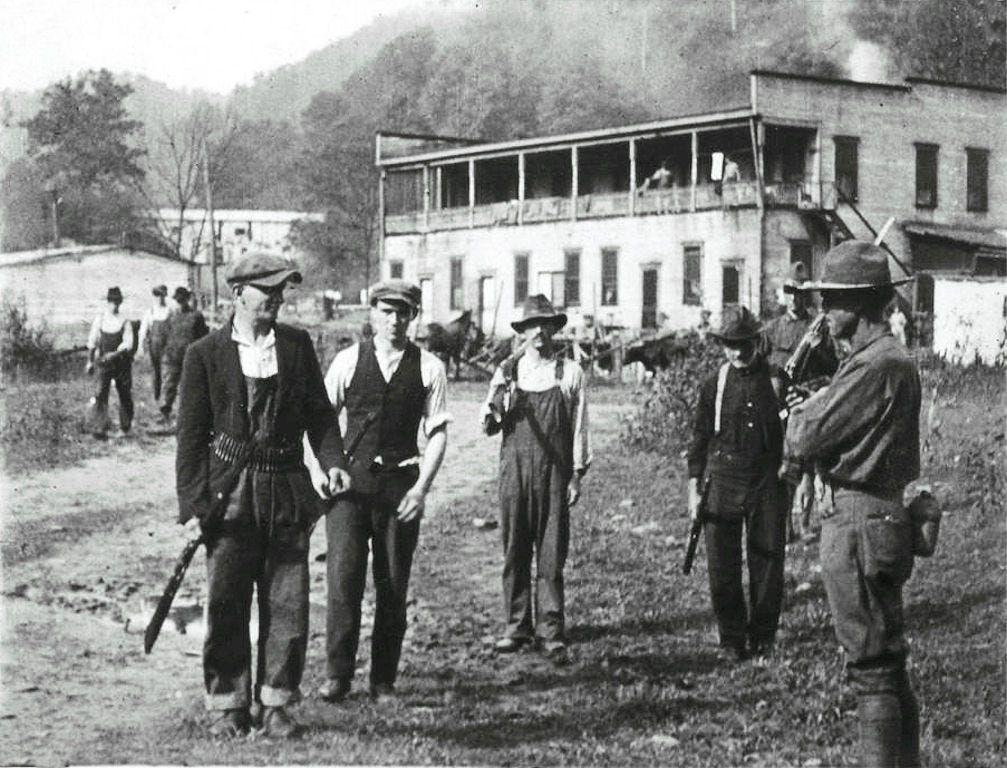
Private planes dropped homemade bombs on the miners. President Harding sent federal troops, and Army bombers flew over the mountains to watch. When the soldiers arrived, most of the miners put down their guns rather than fight the US Army. Nobody agrees on how many people died, and the estimates run from about sixteen to more than a hundred.
The miners wore red bandanas around their necks so they could recognize each other, which is one of the stories behind the word redneck. Blair Mountain is usually called the largest armed uprising in this country since the Civil War, and it went mostly untaught for decades. The battlefield wasn’t put back on the National Register of Historic Places until 2018.
Grab a copy of Demon Copperhead
Get it from the library if you can. If not, Bookshop.org over Amazon, always.
Three books sent me looking things up in September. Five more went by without a single question, and all eight are in the full September recap, with the reviews and the month in numbers.
Subscribe and the October one lands in your inbox at the start of November.
This is why I love reading. One story turns into ten tabs open.
Tell me in the comments: have you ever looked something up in a novel expecting it to be made up, and found out it was real? Which book?