


Mad Honey isn’t about medical history. But there’s this thread running through the whole book about who gets believed and who gets dismissed, and something about it wouldn’t leave me alone after I finished.
I started typing things like “history of not believing women” and “where does hysterical come from” and ended up somewhere I wasn’t expecting.
1. The word “hysterical” is worse than I thought
The word hysteria comes from the Greek “hystera.” It means uterus.
I had to read that twice.
Ancient Greek physicians, Hippocrates included, believed that when a woman’s uterus physically wandered through her body, it caused emotional instability, anxiety, irrational behavior. The prescribed cure was pregnancy. Put the uterus back to “work.”
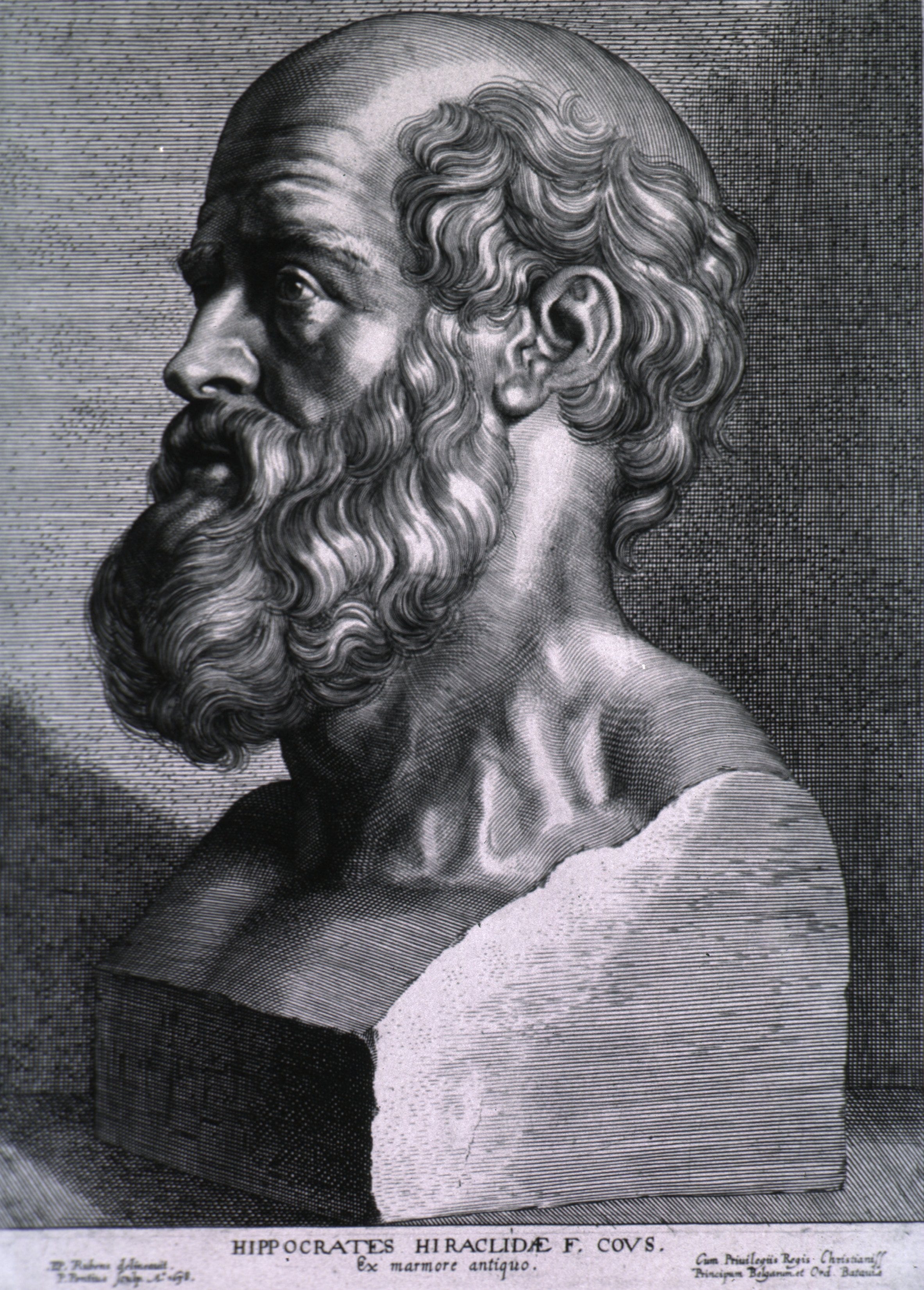
Hippocrates, engraved by Paulus Pontius after Peter Paul Rubens, 1638. Public domain, via Wikimedia Commons.
That’s not ancient trivia. That etymology is still in the word every time someone uses “hysterical” to shut down a woman who’s upset, angry, or saying something inconvenient. I’d used that word my whole life without knowing what it literally meant.
2. The rest cure
By the 1800s, “hysteria” had become a catch-all diagnosis for women who were anxious, depressed, angry, exhausted, or just difficult. And the treatment was something called the rest cure, developed by a doctor named Silas Weir Mitchell.
Total bed rest. No reading. No writing. No visitors. No intellectual stimulation. Force-fed. Sometimes for months.
The logic was that women’s brains couldn’t handle the strain of thought. Thinking was making them sick. So the cure was to remove them from the world entirely.
I kept looking for some version of this that felt exaggerated or fringe. It wasn’t. This was mainstream medicine.
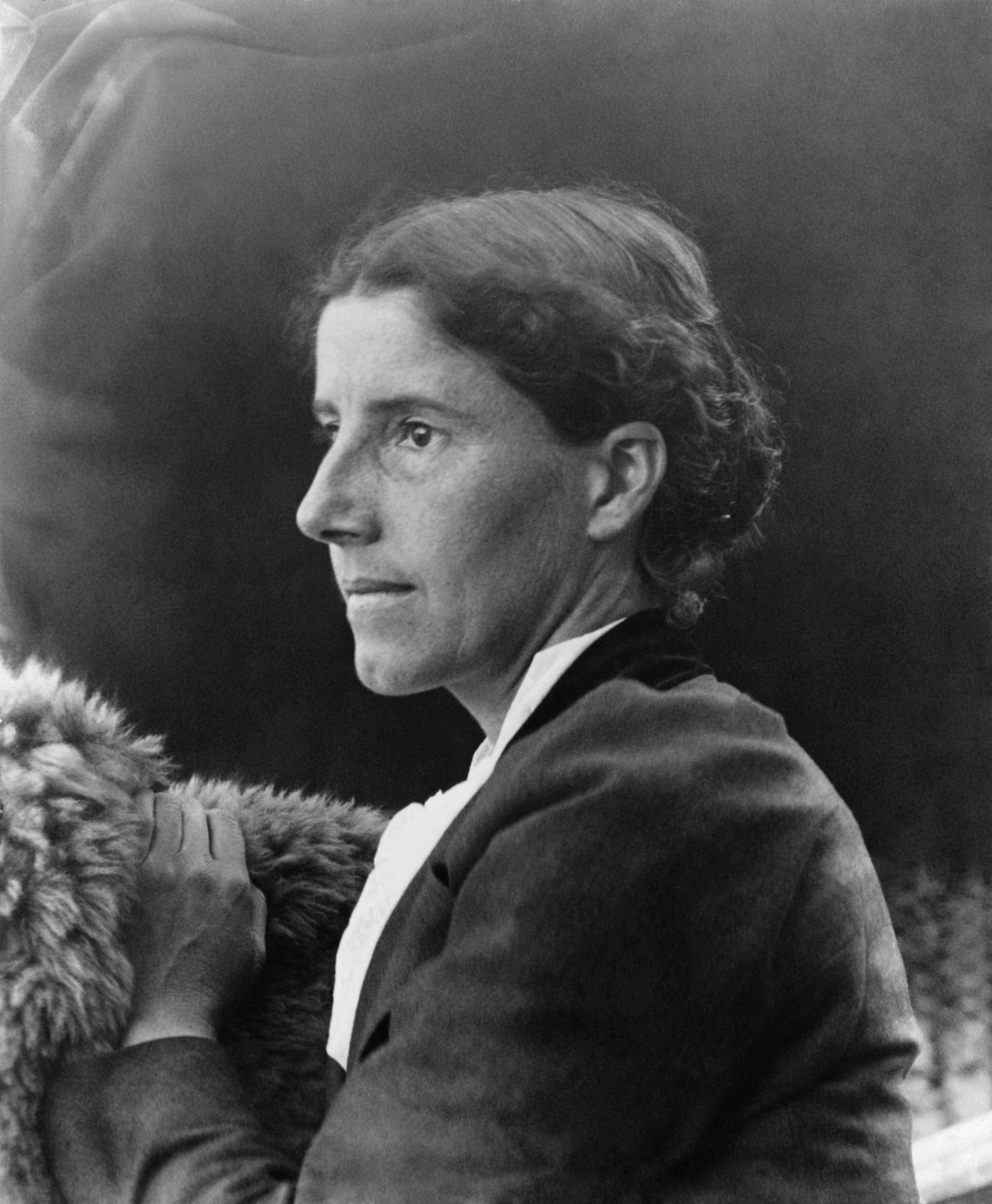
Charlotte Perkins Gilman, c. 1900. Public domain, via Wikimedia Commons.
3. Charlotte Perkins Gilman and The Yellow Wallpaper
This is where the rabbit hole turned into something I couldn’t stop thinking about.
Before she got married, Gilman studied at the Rhode Island School of Design. She was a painter, designed greeting cards, taught art. She was building a creative life.
Then she married, had a baby, and developed severe postpartum depression. Her doctor, Silas Weir Mitchell, prescribed the rest cure. He told her to live as domestic a life as possible and to never touch a pen, brush, or pencil again. An artist told to stop creating. A thinker told to stop thinking.
She almost lost her mind. So she wrote a short story about it.
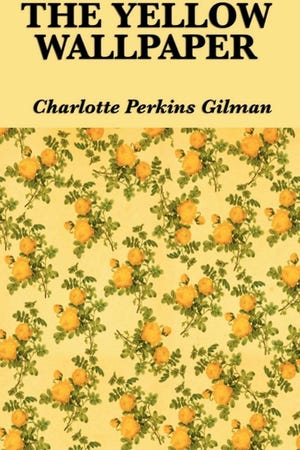
“The Yellow Wallpaper” (1892) is about a woman confined to bed rest who slowly descends into hallucination and obsession with the wallpaper in her room. It reads like horror. It is horror.
You know that trend where people try to “rawdog” a flight? Just sit there. No phone, no book, no music, nothing. People film themselves doing it for an hour like it’s an accomplishment. Now imagine that hour is your entire life. No end date. No one asking if you’re okay. Just you and the walls and the slow understanding that this is what they think will fix you. That’s the rest cure. That’s what Gilman lived.
She sent a copy of the story to Dr. Mitchell after it was published. The story goes that he changed his treatment approach afterward, though whether that’s true or just a satisfying ending is debated.
The Yellow Wallpaper comes up in Mad Honey, and I went and read the whole thing that night. It’s free online (Project Gutenberg) and takes about twenty minutes. I haven’t stopped thinking about it since.
4. Why this came from Mad Honey
Mad Honey never directly lays out this history. But the book kept circling this question: whose version of events gets taken seriously? Whose pain is real and whose is performance? Whose story gets to be the truth?
That’s the same question that runs through the entire history of “hysteria.” The language changes. The mechanisms update. But the pattern of deciding that a woman’s account of her own experience isn’t credible? That hasn’t gone anywhere.
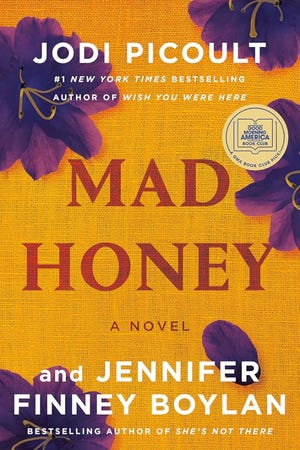
I picked up a Jodi Picoult novel and ended up tracing a line from ancient Greek medicine to 19th-century psychiatric abuse to a short story I should have read years ago. Books do this to me.
Has a book ever made you see a pattern you’d been living inside without recognizing it? Tell me which one.