


Reading trees are usually for paid subscribers. I’m opening this one up to everyone too, so you can see how a tree keeps growing.
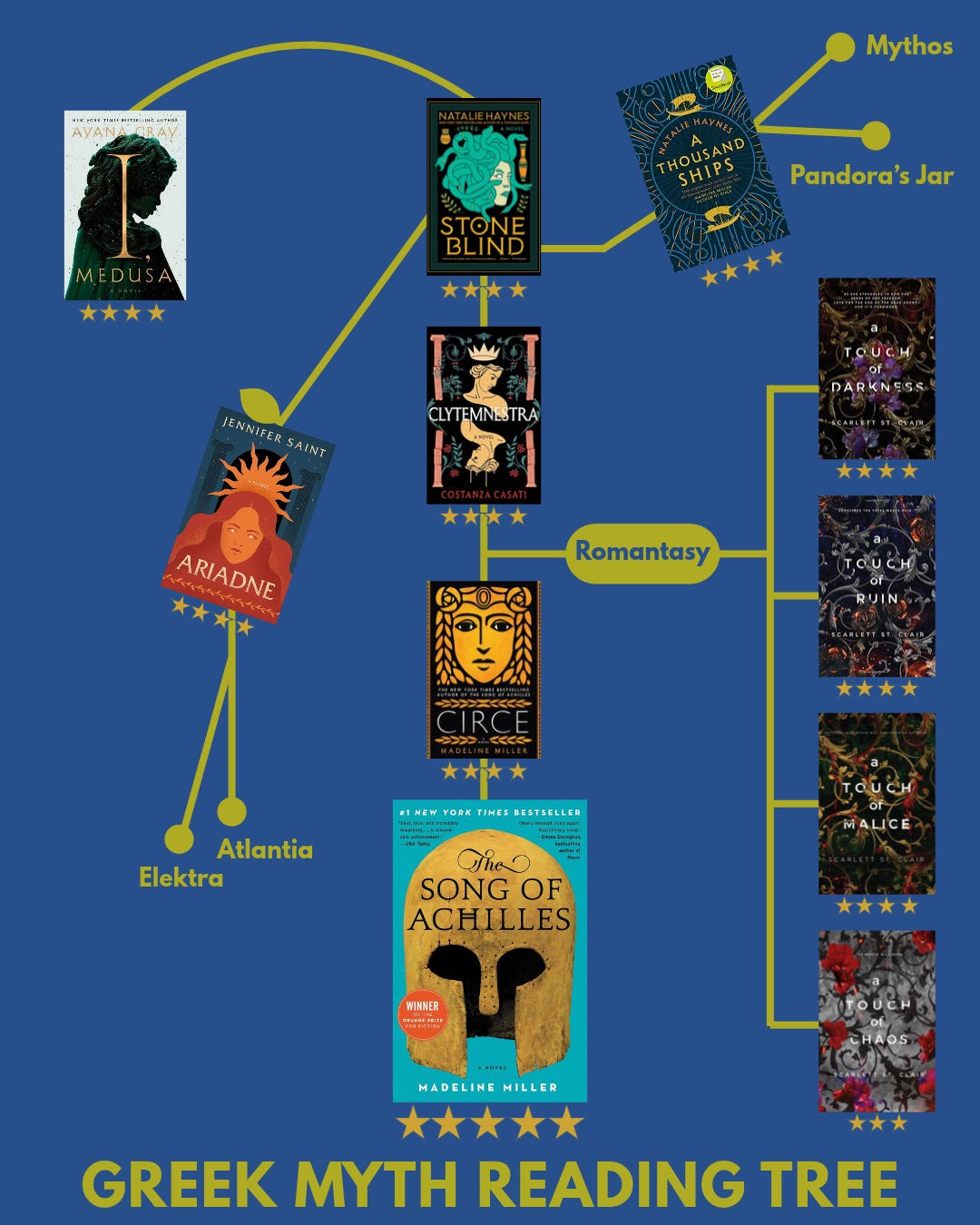
I have been sprinkling Greek myth retellings into my reading for a few years without ever thinking of it as a thing. When I lined them up by date, the first one was The Song of Achilles in March 2023, and there were eleven books on the same idea by this fall: women in these myths getting their side of the story back.
The root is the first book I read. The trunk climbs through the retellings I found on my own until it reaches Stone Blind, which is where the tree forks. The two highlighted lines coming off Stone Blind are the books it actually sent me to. The side branches are the ones I followed for an author I loved or, in one case, for the romance. The buds at the tips are books I haven’t read yet, and I’ll add each one once I’ve read and rated it.
Where it started: the root
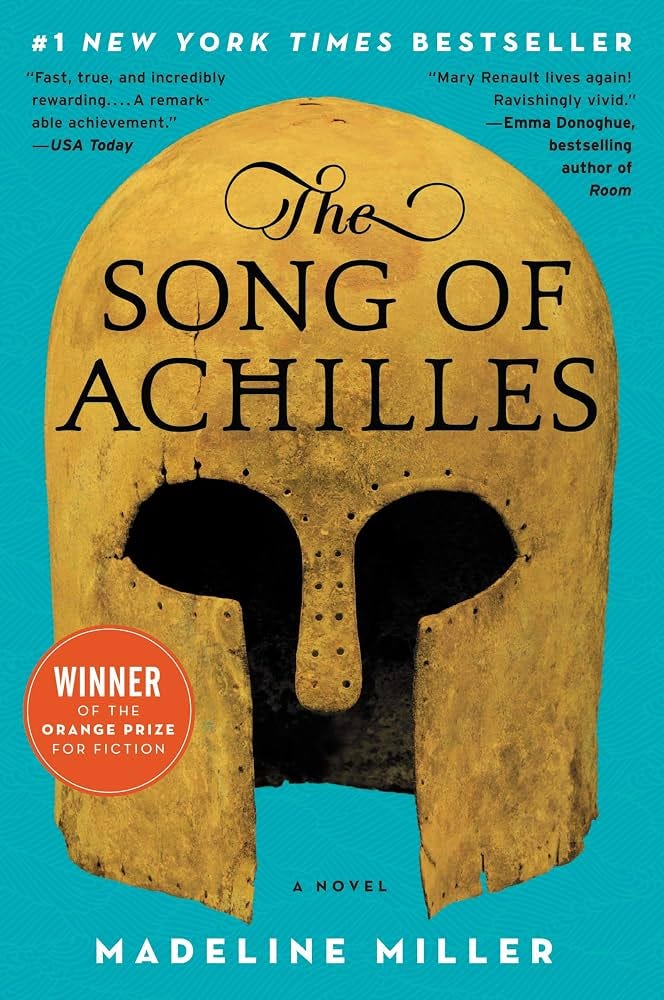
The Song of Achilles by Madeline Miller
Patroclus is an awkward young prince exiled to the court of King Peleus, where he grows up alongside Achilles, the golden son of a sea goddess. Their friendship turns into love, and it follows them all the way to Troy, where everyone already knows how Achilles’s story is supposed to end.
I read it as a Libby loan on my Kindle on a drive down to Florida, and for the first stretch I wasn’t sure it was going to click. It felt slow and distant, and I was hovering right on the edge of a DNF. Then something shifted, and I ended up in the pool with the book in my hand while the kids waited on dinner and I begged for one more chapter. It’s the book that taught me to trust a slow burn.
Rating: 5 stars
The trunk: the women get their turn
Every book on the trunk takes a woman the old stories either ignored or blamed and hands her the microphone. I found these on my own over a couple of years, and looking back, they were already building toward something.
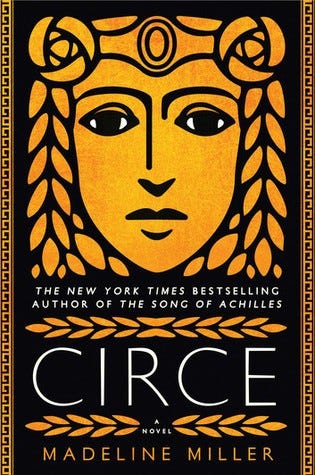
Circe by Madeline Miller
Circe is the daughter of the sun god Helios, born without much power in a house full of gods until she discovers witchcraft. Zeus exiles her to an island, and over the centuries that follow she crosses paths with Daedalus, the Minotaur and Odysseus while she works out who she wants to be.
I wanted more Madeline Miller after Achilles, so this one came next, a witch telling her own story for once. I loved it, and there’s not much more to say than that.
Rating: 4 stars
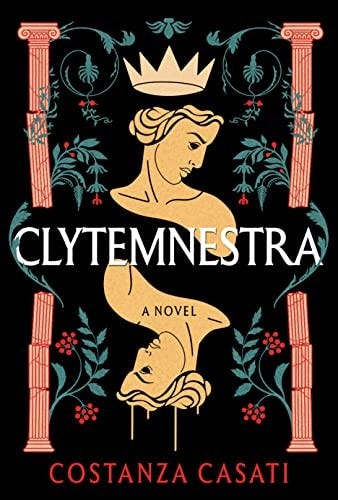
Clytemnestra by Costanza Casati
Clytemnestra is a Spartan princess raised to be fierce, married off to Agamemnon after he destroys the life she had built. When he sacrifices their daughter so his ships can sail for Troy, she spends years planning exactly how he will pay for it.
The queen the old stories love to blame finally gets to explain herself. This book makes you root for women scorned everywhere and admire their strength, which we all have.
Rating: 4 stars
A side branch: the romance
This branch grows off to the side because I didn’t read it for the myth. I read it for the love story, and it still counts as part of how I got here.
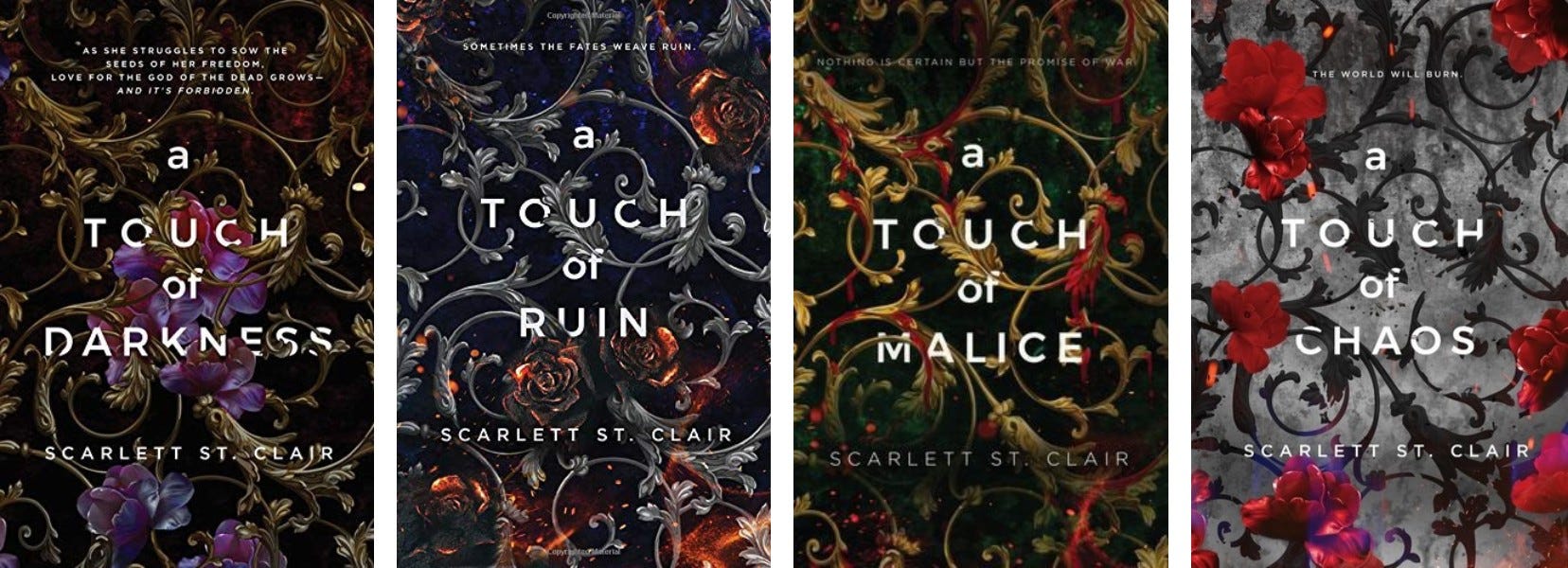
The Hades x Persephone series by Scarlett St. Clair
Persephone, goddess of spring, is living as a journalist in a modern city of gods when she walks into Hades’s club, gambles with the god of the underworld and loses. The deal she ends up with is impossible on purpose, and the four books follow what happens between them from there.
I read all four in a row in the spring of 2025, for the romance as much as the myth. It was good spicy entertainment, similar to other romantasy I’ve read but different because it’s built on Greek myth instead of full fantasy with dragons and the rest.
Rating: 4, 4, 4 and 3 stars
The fork: Stone Blind
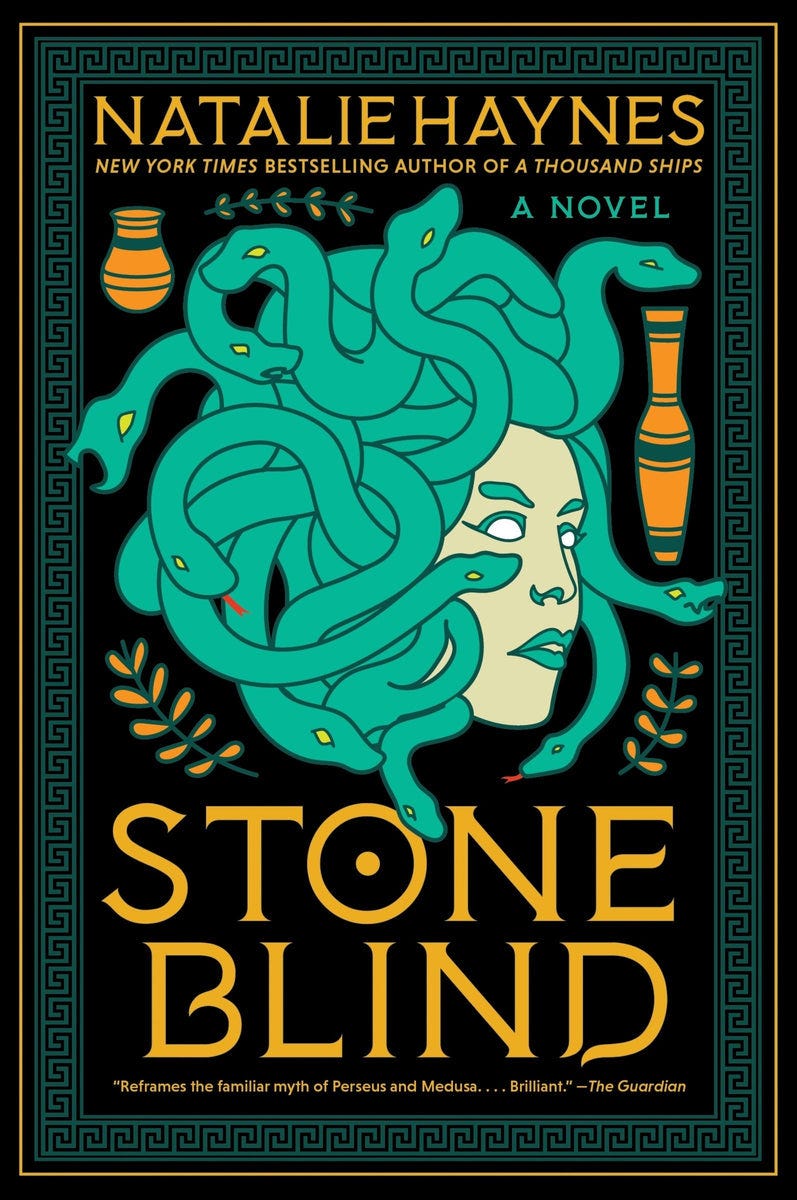
Stone Blind by Natalie Haynes
Medusa is the only mortal of three Gorgon sisters. After Poseidon assaults her in Athena’s temple, it’s Medusa that Athena punishes, and eventually a young man named Perseus is sent to bring back her head. Haynes tells it from Medusa’s side and from a crowd of gods and mortals around her.
I listened on audio from my library in March and expected Medusa turning people to stone left and right. Instead Haynes builds her from the ground up, so by the time the myth catches up with her you’re not watching it happen, you’re gutted by it. It isn’t a story about a woman who became dangerous. It’s about a woman who had something done to her and then got blamed for the consequences. The narrator nailed the gods, too, especially the sarcasm in their lines.
Rating: 4 stars
When I finished it, I wrote down the next three books I wanted to read, and two of them came straight out of it: I, Medusa, because I wanted the same myth from someone else, and Ariadne, to keep following the Greek thread. A Thousand Ships was different. I just wanted more Natalie Haynes. Stone Blind also sent me googling how Athena was born, and all of that is in Things I Googled While Reading Stone Blind.
Up from the fork
These are the two books Stone Blind actually handed me, which is why they’re the highlighted lines on the tree. One went back to the same myth, and one kept following the women forward.
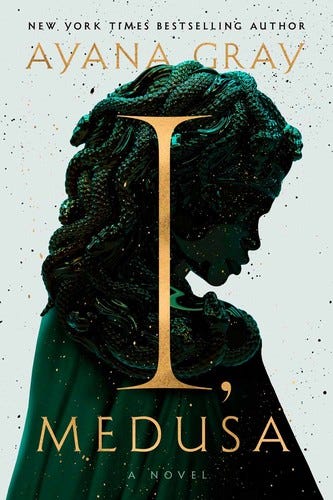
I, Medusa by Ayana Gray
Ayana Gray tells Medusa’s story in her own voice, starting with the girl she was long before the curse. She wants more than the life she was born into, and her path runs straight into Athena’s temple, where the attention of the gods turns out to be the most dangerous thing of all.
I read the ebook from my library in July. With Greek retellings you always know roughly where it’s going, because Medusa becomes Medusa, and the fun is in how and when. This one kept me wanting to find out, just not the way Stone Blind did. It came off a little juvenile to me, and halfway through I wondered if it was YA and I just hadn’t known. It did hand me one line about the tingle you feel before a choice that changes everything, and that line turned into I, Medusa and the Tingle That Was Never About Destiny.
Rating: 3.5 stars
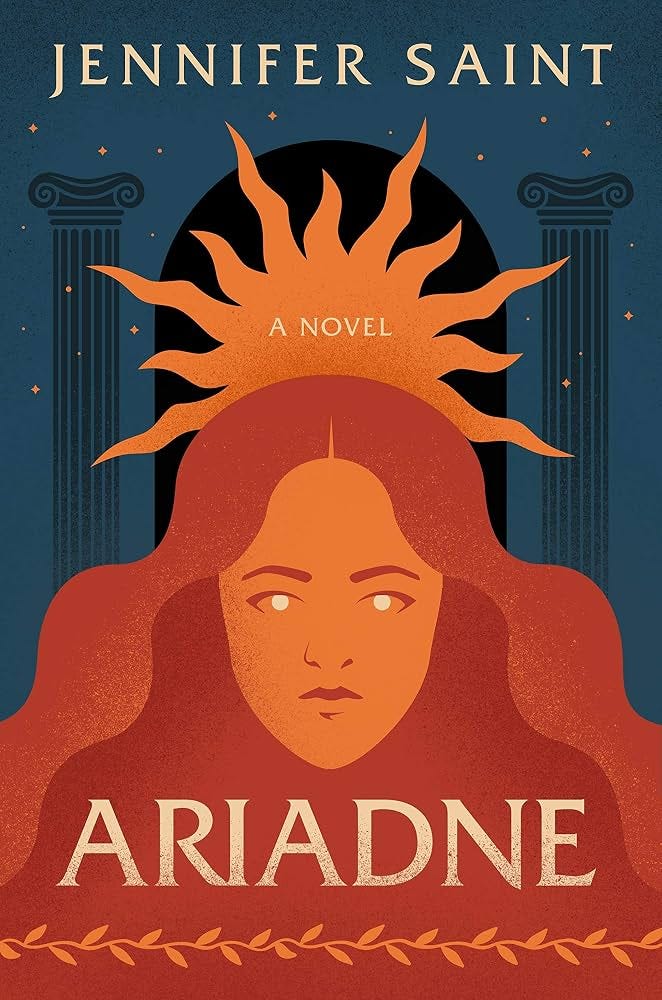
Ariadne by Jennifer Saint
Ariadne is a princess of Crete and the half-sister of the Minotaur her father keeps in the labyrinth. When Theseus arrives to kill the monster, she helps him through the maze and leaves with him, and the story follows what that choice costs her, alongside her younger sister Phaedra.
It was my first Jennifer Saint, and the opening takes some work because a lot of names come at you at once. I had about two and a half hours left one September morning and finished it through a shower, getting ready and a round of errands. I was pulling out of the Target parking lot when it ended, and my first thought was, wait, that’s how it ends? That is how I knew it had me.
Rating: 4 stars
The Natalie Haynes branch
Nothing on the tree sent me to this one except the author. Once I found Natalie Haynes, I wanted whatever else she had written, so this branch grows off the fork on its own.
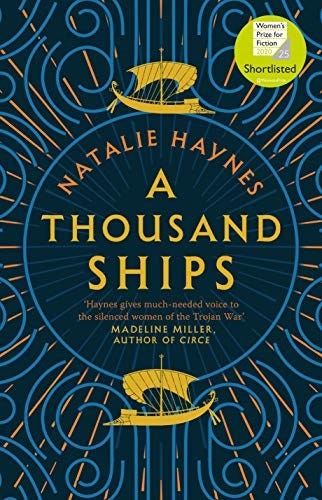
A Thousand Ships by Natalie Haynes
The Trojan War told through the women it happened to: the Trojan queens and daughters left behind, Penelope writing letters to a husband who won’t come home, and the goddesses whose grudges started it all, with the muse Calliope stitching their stories together.
I listened on audio from my library in August and loved every one of their stories. One part, where the earth asks Zeus for a war because she has gotten too heavy to carry, made me think about how much we waste and keep taking, and it hit me hard.
Rating: 4 stars
What two Medusas taught me
Reading the same myth twice just a few months apart showed me what I actually want from these books. Both of them got the story right. Only Stone Blind made me root for her, and that comes down to whether the book cares more about the myth or the woman inside it.
The whole tree runs that way when I look at it. The literary retellings that give a woman her side of the story, Song of Achilles, Circe, Clytemnestra and the Haynes books, sit at four and five stars. The lighter detours, the end of the romance run and the YA-feeling Medusa, are where my ratings softened. I didn’t notice I had a taste until I drew the map.
Where it goes next
Four books belong on this tree next, and I haven’t read any of them yet. If you have, let me know which one you think I should pick.
The library is where I’d start too. If you’d rather own a copy, the title links go through Bookshop.org and support indie bookstores.
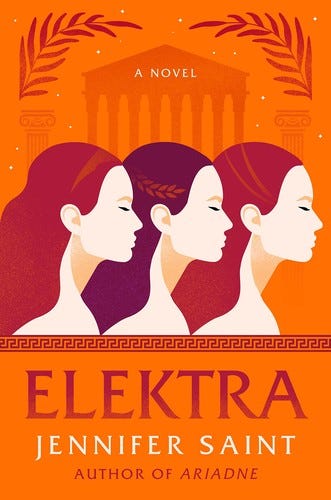
Elektra by Jennifer Saint
The cursed house of Atreus told by three women: Clytemnestra, her daughter Elektra and Cassandra of Troy. It picks up right where Clytemnestra leaves off, which makes it the natural next bud off Ariadne.
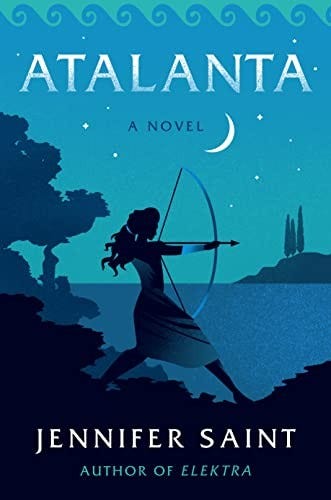
Atalanta by Jennifer Saint
Abandoned as a baby and raised in the wilderness, Atalanta grows into a huntress who wants a place among the heroes sailing with Jason and the Argonauts. It keeps Jennifer Saint’s branch growing.
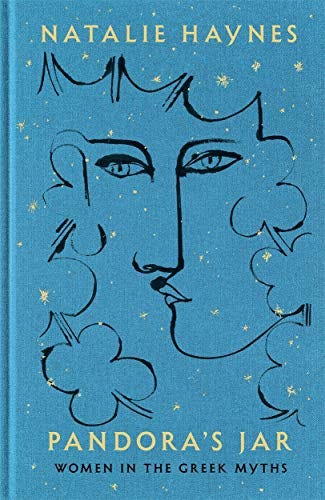
Pandora’s Jar by Natalie Haynes
Haynes’s nonfiction look at the women of Greek myth, from Pandora and Medusa to Helen, Medea and Penelope, and how their stories have been told and retold. It’s the next bud on the Natalie Haynes branch.
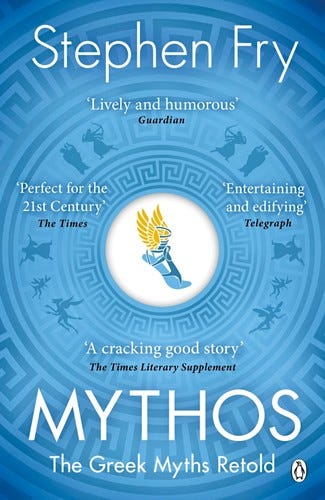
Mythos by Stephen Fry
Stephen Fry retells the Greek myths from the very beginning, the creation of the world and the rise of the Olympians, with a lot of humor. It would finally give me the original stories all of these are retelling, so it sits at the top of the trunk.
Why this one is free
Reading trees are the heart of what paid subscribers get, and normally you would only see the start of this one before the paywall. I am opening this one up too so you can see that a tree keeps growing, and that it can branch in more than one direction at once.
Paid subscribers get a new reading tree every month and the full vault of past ones. Founding members also get one reading tree a year built just for them, around a book they choose.
Which retelling made you root for the woman the old stories blamed?