


I look up words while I’m reading more than I'd like to admit, usually mid-chapter and usually because I'm too stubborn to keep reading without knowing. A lot of books this year sent me to the dictionary for words that turned out to be carrying a much older story inside them. One is a word you've probably said this week, and one is a French phrase that works backwards from the way we say it in English.
The flu is named after the stars
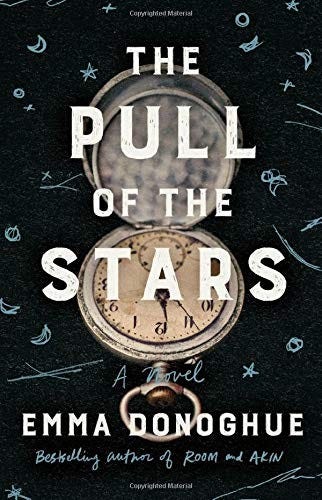
The Pull of the Stars by Emma Donoghue takes place over three days in a Dublin maternity ward during the 1918 flu pandemic, which the characters call the grippe. I read it earlier this year, and the line that stopped me was a character saying they could always blame the stars.
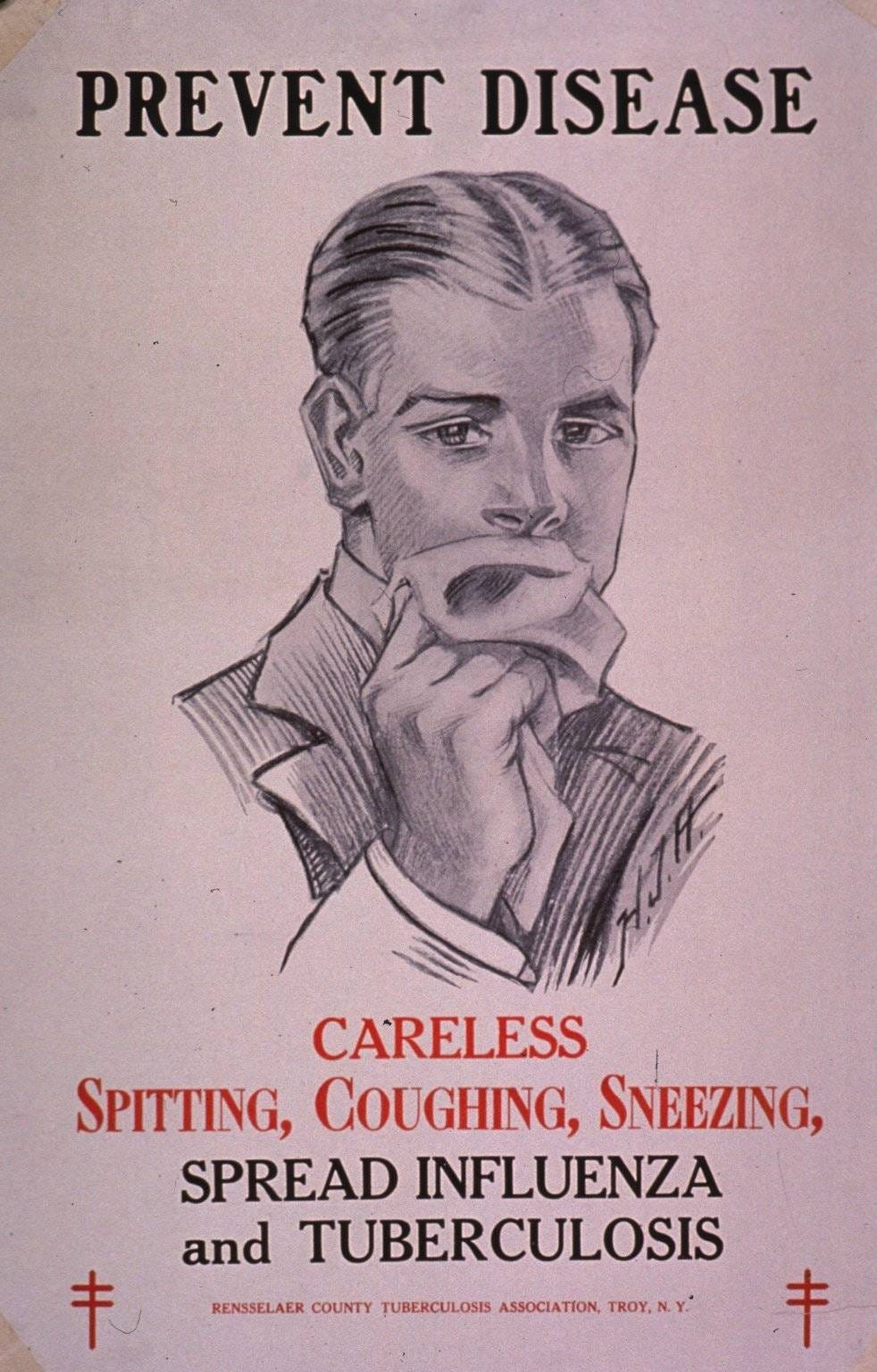
It turns out that's exactly where the word comes from. Influenza is Italian for influence, and it goes back to the old belief that sicknesses arriving in waves were caused by the influence of the stars and planets. English borrowed the word in 1743, during an outbreak that spread across Europe from Italy, and we shortened it to flu about a century later. Donoghue puts the whole idea right in her title, and once I knew, I couldn't hear the word the same way. Every time we say we have the flu, we're repeating a centuries-old guess that the sky did this to us.

My review: The Pull of the Stars was slow going for me until the last 20 percent, which then felt rushed, so it landed at three stars. But it's claustrophobic and intense in the way a story set in one ward over three days should be, and the history in it is careful down to the smallest details.
Format: Ebook | Source: Library | Rating: 3 stars
Grab a copy of The Pull of the Stars.
Get it from the library if you can. If not, Bookshop.org over Amazon, always.
I miss you, said backwards
The Keeper of Happy Endings by Barbara Davis was one of my first listens of the year, a dual-timeline story with a World War II thread in France. The narrator's French accent pulled me right in, and one phrase kept coming up that I finally had to look up: tu me manques.
In English we say I miss you, and the person doing the missing is the subject of the sentence. In French, tu me manques translates closer to you are missing from me. The person you miss becomes the subject, and you're the one left with the gap. To a French speaker it isn't any more romantic than I miss you is to us. It's just how the verb manquer works, and if you flip it to je te manque it means you miss me, the opposite of what an English speaker would guess. Knowing that, every goodbye in the book landed heavier.
My review: The French-accented narration added so much atmosphere, and the World War II storyline was gut-wrenching. My one frustration was that several of the male characters shared the same voice on audio, which made them hard to tell apart, and I think it would have been five stars if I'd read it in print. Content note for wartime trauma, emotional abuse and grief.
Format: Audiobook | Source: Library | Rating: 4 stars
Grab a copy of The Keeper of Happy Endings.
A note on my links: I'm a library person first, always. If you can borrow it, borrow it. But if you're going to own a copy anyway, my Bookshop.org links support indie bookstores and send a little back my way.
A French word I needed to picture
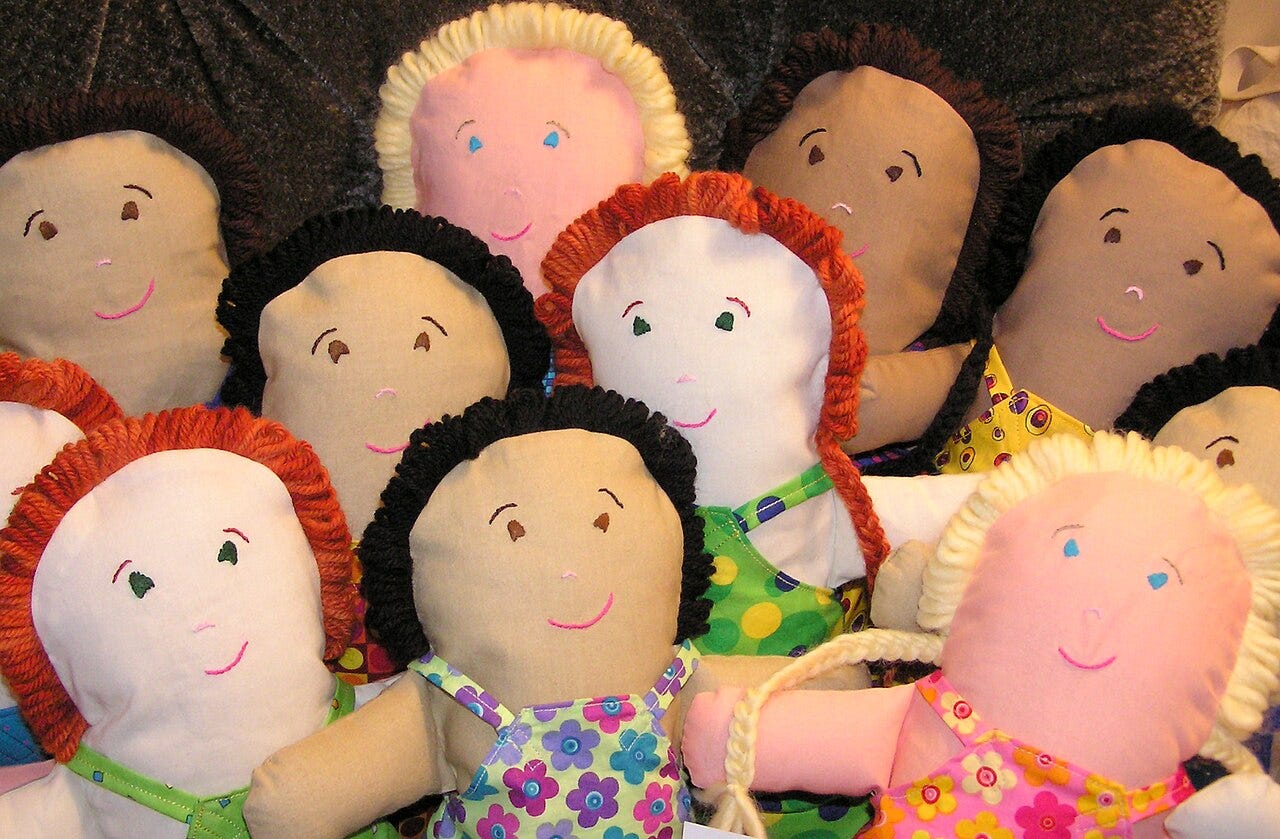
An American Marriage by Tayari Jones was an October listen from my library, and on audio the French word poupées kept coming up every time Celestial talked about her work.
Poupées just means dolls. In the book, Celestial sews handmade cloth baby dolls, swaddled so they look like real infants, and they become both her art and her business. I looked it up because I wanted to picture them while I listened. It's the second French word in this post, and like tu me manques, it was one small lookup that made the whole story easier to see.

My review: It grabbed me fast, and the letter chapters were a highlight on audio, set up so you always know who's writing to whom. Where it lost me was Celestial. About three quarters of the way in she started to feel wishy washy to me, and it didn't seem realistic, which is what kept it from a higher rating. My full review is in What I Read in October.
Format: Audiobook | Source: Library | Rating: 3.5 stars
Grab a copy of An American Marriage.
Borrow it from the library first. If you'd rather own it, this link supports indie bookstores.
Bookworms, bookwyrms and book dragons
The Astral Library by Kate Quinn is about a hidden library where you can step inside your favorite books, so of course it sent me looking up what to call people like us. I'd seen bookworm, bookwyrm and book dragon all over the internet and wanted to know if they meant the same thing.
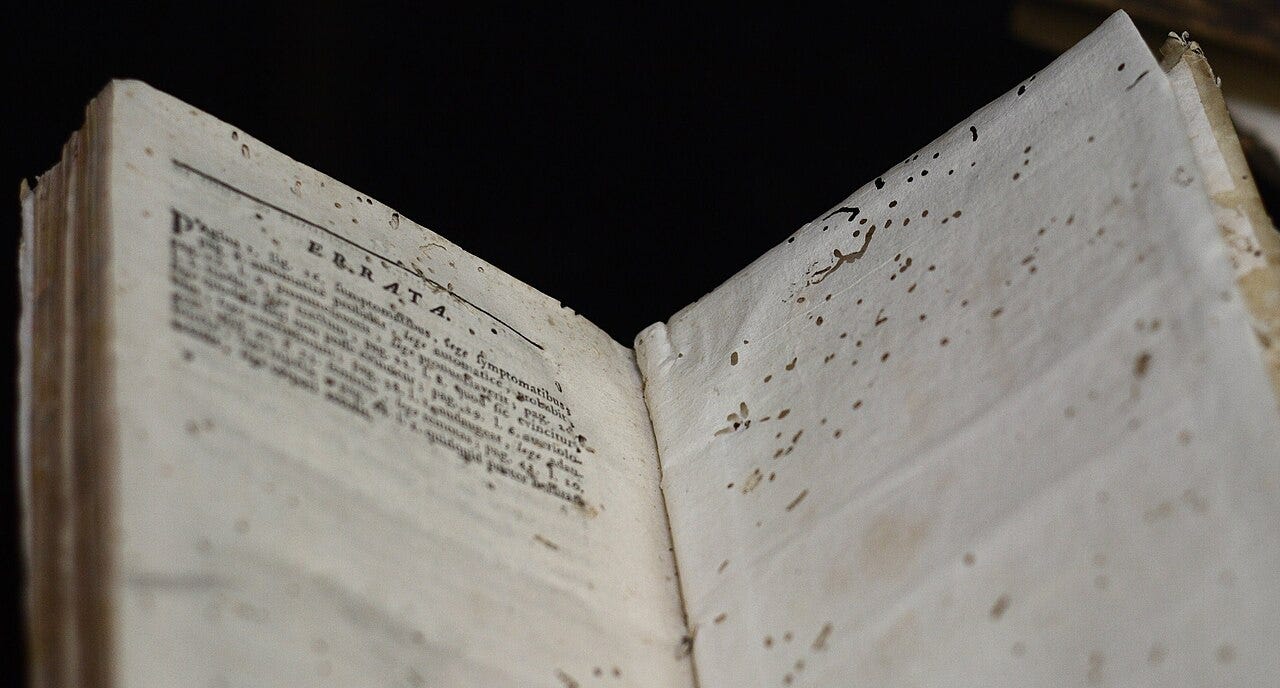
Bookworm came first, and it started as a literal bug. The larvae of certain beetles and moths bore tunnels through old books, and by the late 1500s people were using the word as an insult for someone who studied too much. Bookwyrm is a modern spin that reaches back to Old English, where wyrm could mean a worm, a serpent or a dragon, the same word used for the dragon in Beowulf. Book dragon takes it the rest of the way, a reader who hoards books the way a dragon hoards gold. Over four hundred years we went from a pest to an insult to a creature guarding a treasure pile. I don't have a shelf to guard yet, so for now I'm a bookworm happily borrowing from the library's hoard.

My review: It's Kate Quinn's first swing at magical realism, and the concept and bookish charm carried it for me, but the emotional middle stayed a little distant. I felt the cleverness of the structure more than I felt Alix's longing, so it landed at a fond three stars. My full review is in What I Read in June, and I wrote about a very different part of it in The Astral Library and the Season I'd Redo.
Format: Physical book | Source: Library | Rating: 3 stars
Grab a copy of The Astral Library.
Borrow it if you can. Buy it if you must. And if you’re buying, my Bookshop.org link keeps it with the indies.
Two words about people and a song that only sounds like nonsense
Buckeye by Patrick Ryan was a July read I almost quit early and ended up bawling over on the last night. It sent me to the dictionary twice, for histrionic and avuncular, and to Google once more for a song.
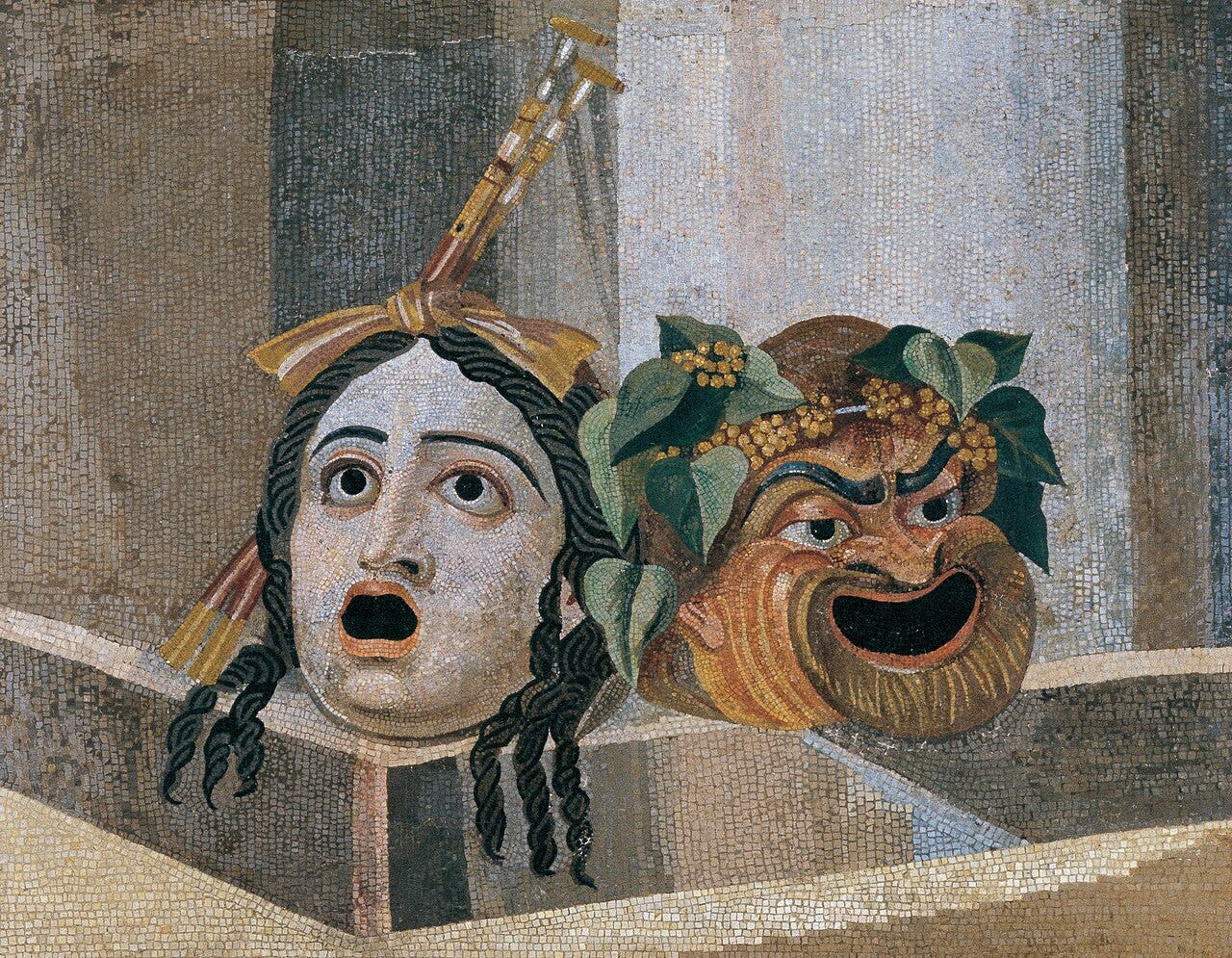
Histrionic comes from the Latin histrio, which means actor. When we call someone histrionic, we're saying they're performing their feelings for an audience, and the word has been carrying that stage around with it for nearly four hundred years. Avuncular comes from the Latin avunculus, which specifically meant your mother's brother. So when someone is avuncular, warm and a little indulgent toward younger people, they're acting like a favorite uncle, and the word still has the uncle built right into it.

The song was Mairzy Doats, which sounds like pure nonsense until you hear it slowly. It's a real 1943 novelty song by Milton Drake, Al Hoffman and Jerry Livingston, and the title is just "mares eat oats" slurred together. The whole song works that way, ordinary words run together until they sound made up, and a version by the Merry Macs went to number one in 1944. Once I knew, I couldn't stop hearing the real words underneath.
My review: It's told in parts, and I almost bailed early because the start felt slow, but by Part II I was completely hooked. It follows two Ohio families from World War II into the decades after, and the years pass the way they do in real life, faster than you see coming. It might end up being a top tier read for me this year. My full review is in What I Read in July.
Format: Ebook | Source: Library | Rating: 5 stars
Library first. But if you're buying, this link supports indie bookstores and me.
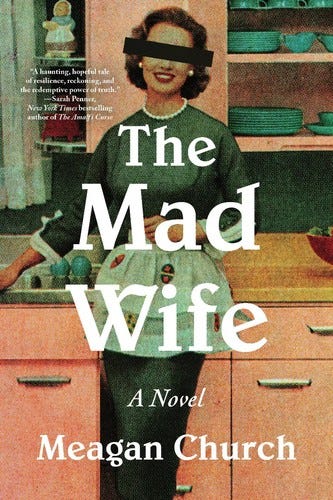
Spoiler warning: this last one gives away one of the big reveals in The Mad Wife by Meagan Church. If it's on your TBR, skip down to the end.
The disease named after a wolf
The Mad Wife by Meagan Church is set in 1955 and follows Lulu, a housewife whose husband and doctors decide what's wrong with her before she gets a word in. One of the book's big reveals is a lupus diagnosis, and I had to stop and look up why a disease would be named after a wolf.
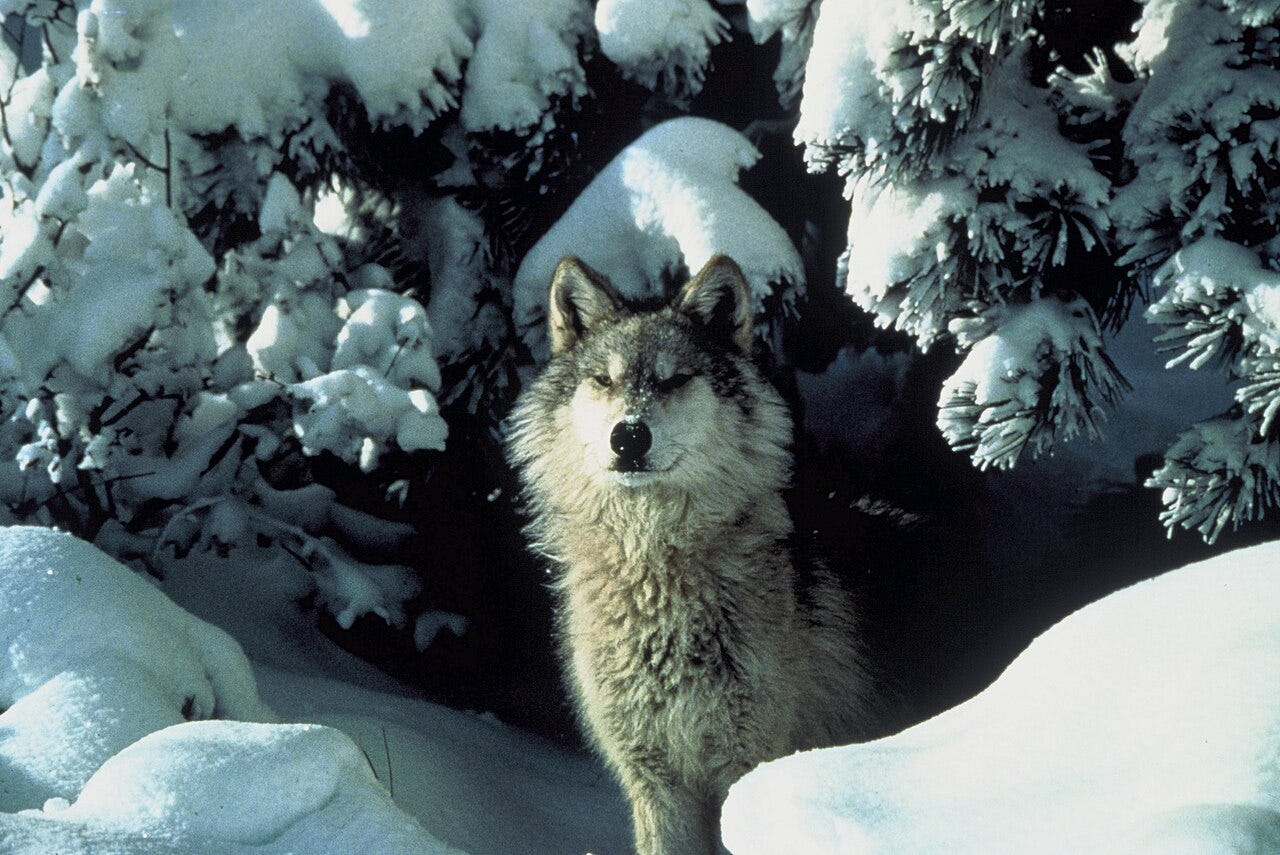
Lupus is Latin for wolf. Medieval doctors used the word for diseases that seemed to eat away at the skin, and the story usually told is that a 13th-century physician thought the rashes looked like a wolf's bite. For a book about a woman nobody believes, it felt fitting that the real answer had been hiding behind a name that sounds more like a fairy tale than a diagnosis.

My review: I didn't see the ending coming until it was already there, and then I wanted to start the whole thing over. Susan Bennett's narration kept me right inside Lulu's head, and it's historical fiction that sits right on the edge of a psychological thriller. It's also part of my Women Nobody Believed Reading Tree, and my full review is in What I Read in September.
Format: Audiobook | Source: Library | Rating: 4 stars
If your library has it, start there. If not, this link keeps your money with indie bookstores.
Words that remember where they came from
Every one of these words is still carrying its origin around, whether that's the stars, a stage, an uncle, a wolf, a doll, a bug in an old book or the person who's missing from you. We just stopped hearing it. Reading is how I keep finding those stories again, one stubborn lookup at a time.
What's a word you use all the time and only recently found out the origin of?