


I was quiet while I read this one.
Not in a sad way, exactly. More in the way you get quiet when someone is telling you something real and you know you’re supposed to just listen.
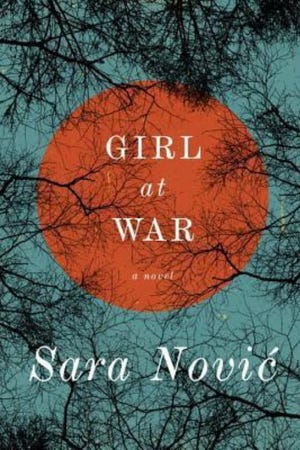
Girl at War isn’t the kind of historical fiction where you’re watching events unfold from a safe distance. You’re inside Ana’s head. You’re a kid in Zagreb when things start to go wrong, and then you’re a twenty-something in the US pretending none of it happened. And the whole time you can feel the weight of what she’s carrying because she won’t put it down.
I think what this book did to me is make me realize I’ve been reading about war from a very specific angle. Almost everything on my virtual shelves is WWII. The same theaters. The same broad strokes. I know the shape of those stories. I know what to expect from them.
This was different. I didn’t know the shape. I didn’t know the history. I didn’t even know what the correct name for the war was. And that meant I couldn’t hold the story at arm’s length the way I usually do with historical fiction. I had to sit in it.
The part that stuck with me the most is the cyclical nature of it. The book touches on this idea that in the Balkans, it’s like every fifty years there’s a new version of the same violence. Different people, different justifications, same destruction. And when you read it from inside one person’s life, you feel how unfair that is. Not in a political way. In a human way. How do you build a life when the ground under you has never been stable?
I spent a lot of time thinking about that after I finished. About what it means to read about a war you didn’t know existed until a book put you inside it. About how many more of those stories are out there.
I was somber for a few days. I wanted a second book. I wanted to know if Ana goes back to Croatia with her sister, if she patches things up with the people she shut out, if she ever stops running from the thing that shaped her. I know standalone literary fiction doesn’t work that way. But I wanted it anyway.
Who I was while I read this: quieter. More aware of the limits of my own reading history. Ready to find more stories I don’t already know the shape of.
I read Girl at War by Sara Novic on audio from the library. If you want your own copy, my Bookshop.org link supports indie bookstores and tosses a few cents my way.
What’s the book that changed the shape of what you read after it? Not your favorite, the one that showed you a gap you didn’t know was there. Tell me in the comments. I’m trying to fill mine.
"How do you build a life when the ground under you has never been stable?"
I know you're discussing the complexities and uncertainties of war aftermath. But this question really stuck out to me because not only does it hit upon that aspect, but the underlying emotions, thoughts, and new beginnings. It can also apply to other situations, like domestic violence, childhood abuse/bulling/teasing (how it continues to influence our lives as adults), and jobs without a hint of security. The fallout shakes us to our very core and hinders us from moving forward.
I finally was able to get my hands on this book! I have a couple of others to finish first, but it's on my August list of reads!!