


A three-star read, the short and cute palate cleanser I grabbed after a heavy WWII book, that somehow still sent me down three separate Google holes. I really wasn’t expecting to Google anything while reading The Fall Risk. It’s a romcom novella and it’s short, and it honestly should have been a straightforward read.
But the male lead is an arborist, which means there are tree facts woven into every other conversation, plus more tree puns than I knew existed. So naturally I paused to look up redwood trees, and that little detour turned into a whole situation.
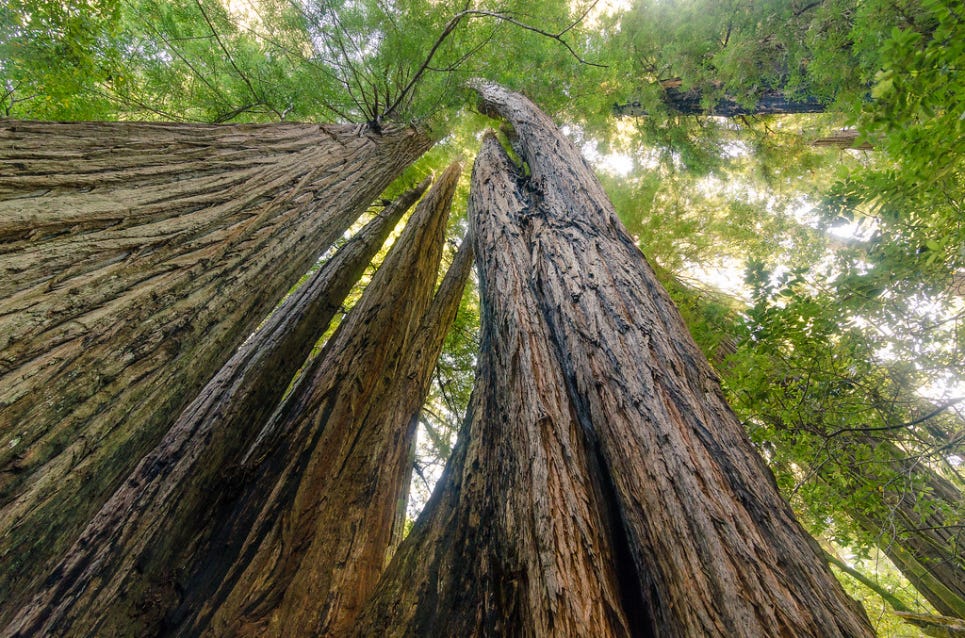
Redwoods at Tall Trees Grove photo by Shaina Niehans
Redwood trees can live for over 2,000 years
This is where it started, as a basic fact-check I fully meant to close out in thirty seconds, and then I just kept scrolling.
Redwoods are among the oldest living organisms on the planet, and some individual trees have been alive since before the Roman Empire. They can grow over 350 feet tall, and their bark can be more than a foot thick.
What surprised me most was how they survive. They grow these things called burls, which are basically backup systems built right into the tree. If the main trunk gets damaged, or fire comes through, or something goes catastrophically wrong, the burl can sprout a brand new tree. The redwood has a plan B going the whole time. I don’t totally know why, but reading that felt weirdly reassuring.
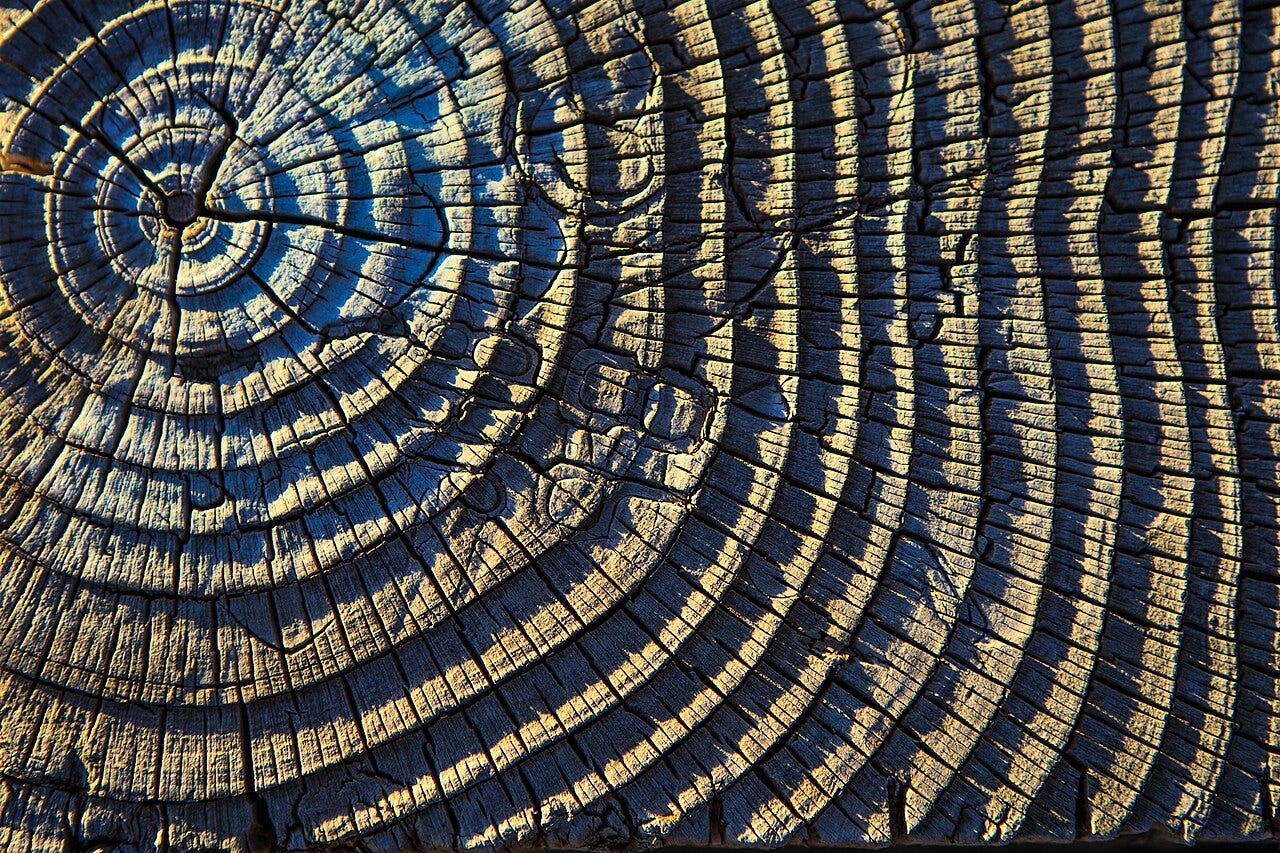
A tree's rings record the seasons it lived through, wide in good years and narrow in drought. Photo: via Wikimedia Commons.
Epigenetic memory in trees
Then I fell into the question of whether trees can actually “remember” stress, and the short answer seems to be maybe.
There’s emerging research suggesting that trees respond to environmental stress in ways that shape how they grow and defend themselves later on. It isn’t memory the way we usually think about it, but it does look like an inherited biological response to past conditions.
This is all still being studied and not much of it is settled science. But the idea that a tree could carry the effects of old droughts or fires in its biology, and then pass those effects on to future generations, kind of blew my mind for a Tuesday afternoon.
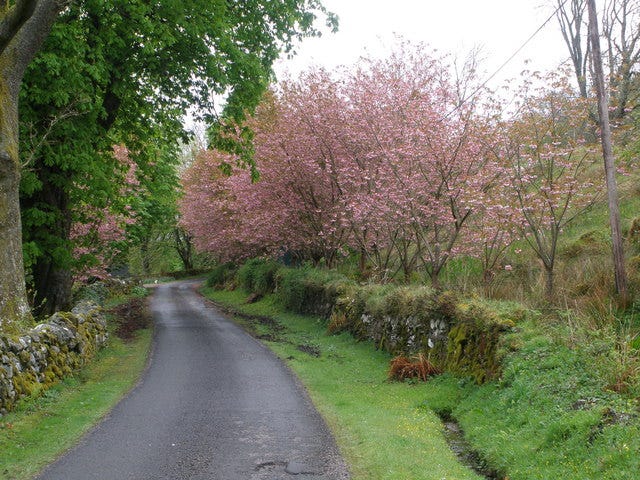
Male catkins releasing pollen, the spring haze a lot of cities accidentally engineered. Photo: via Wikimedia Commons
Cities plant too many male trees
And then, right after a particular scene in the book, I ended up reading about urban tree planting policies. Apparently a lot of cities preferentially plant male trees, because female trees drop fruit and seeds that cities consider messy, and male trees produce significantly more pollen. Which means allergies, everywhere, basically by design.
This one is debated, and some arborists push back on how much of the problem actually comes down to gendered planting versus other factors. But it’s a real pattern that’s been documented across multiple cities.
I came for a cute romance and left thinking about municipal tree selection committees. Not mad about it.
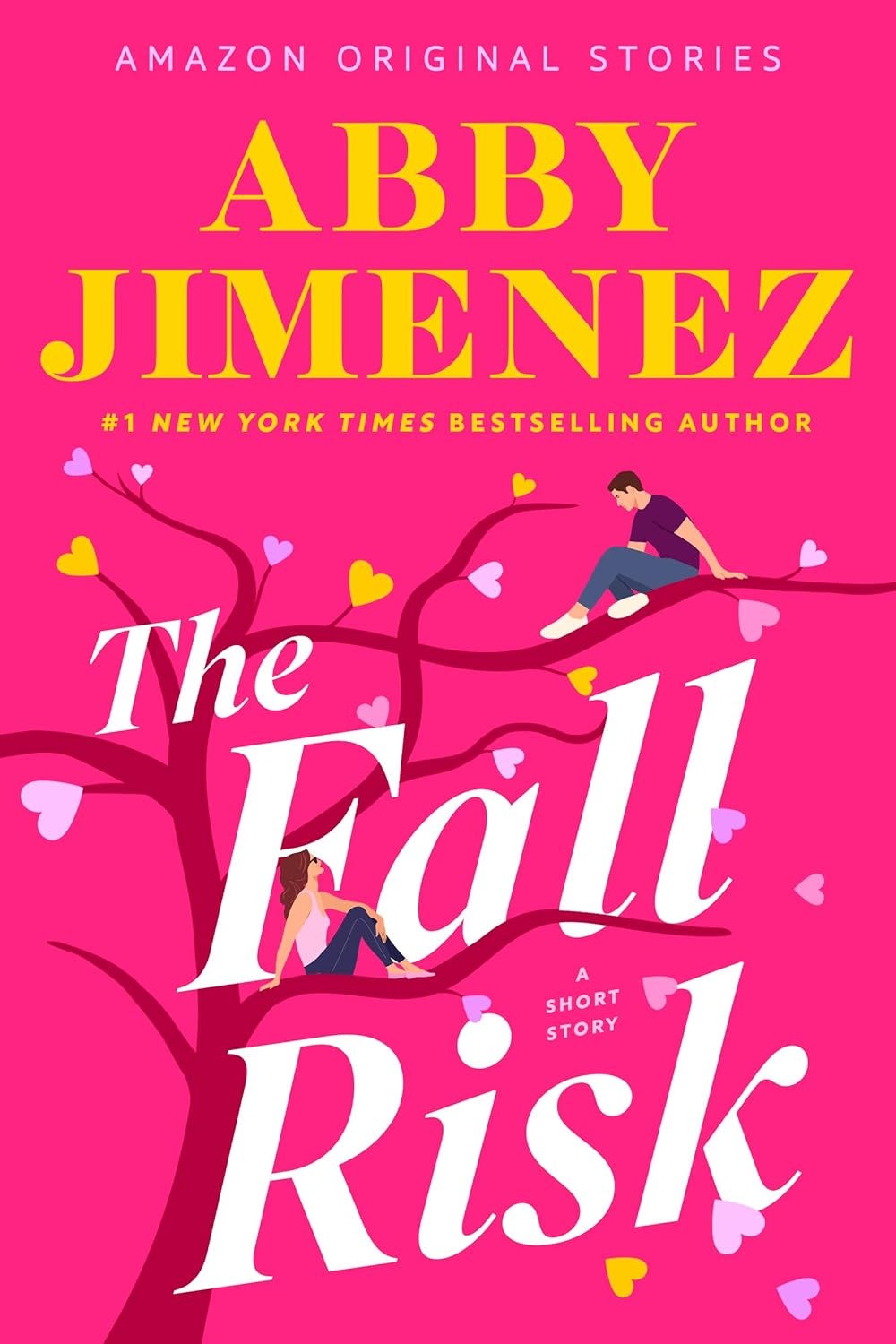
The review
Format: eBook | Source: Library | Rating: 3 stars
It’s a short, fast novella, charming and low-stakes in the way Abby Jimenez does well. The characters are easy to root for and it moves quickly. I didn’t realize going in that it’s the second in a series, but it reads fine on its own. It isn’t deep, and it isn’t the kind of book that’s going to stay with me, so three stars feels right. But it did its job, and apparently it turned me into someone with opinions about urban tree biology.
Grab a copy of Fall Risk.
I'll always tell you to check the library first. If you'd rather own it, this Bookshop.org link supports independent shops and helps me out a little.
Now I want to hear from you, and the comment button is right there for it: what's a subject you now know way too much about because one book sent you down a hole? For me it's apparently urban tree planting. Tell me yours in the comments.